From Ordinary to Extraordinary: Inventive Ideas for Kitchen and Bathroom Remodeling Upgrades
Converting a bathroom or kitchen from an unexciting space to a stylish retreat requires deliberate planning and creativity. Homeowners frequently seek innovative solutions that boost both aesthetics and functionality. This journey involves understanding personal goals, selecting sustainable materials, and incorporating modern design trends. As the process advances, it becomes obvious that the right choices can considerably impact the overall environment. What essential elements should be given priority to secure a successful remodel?
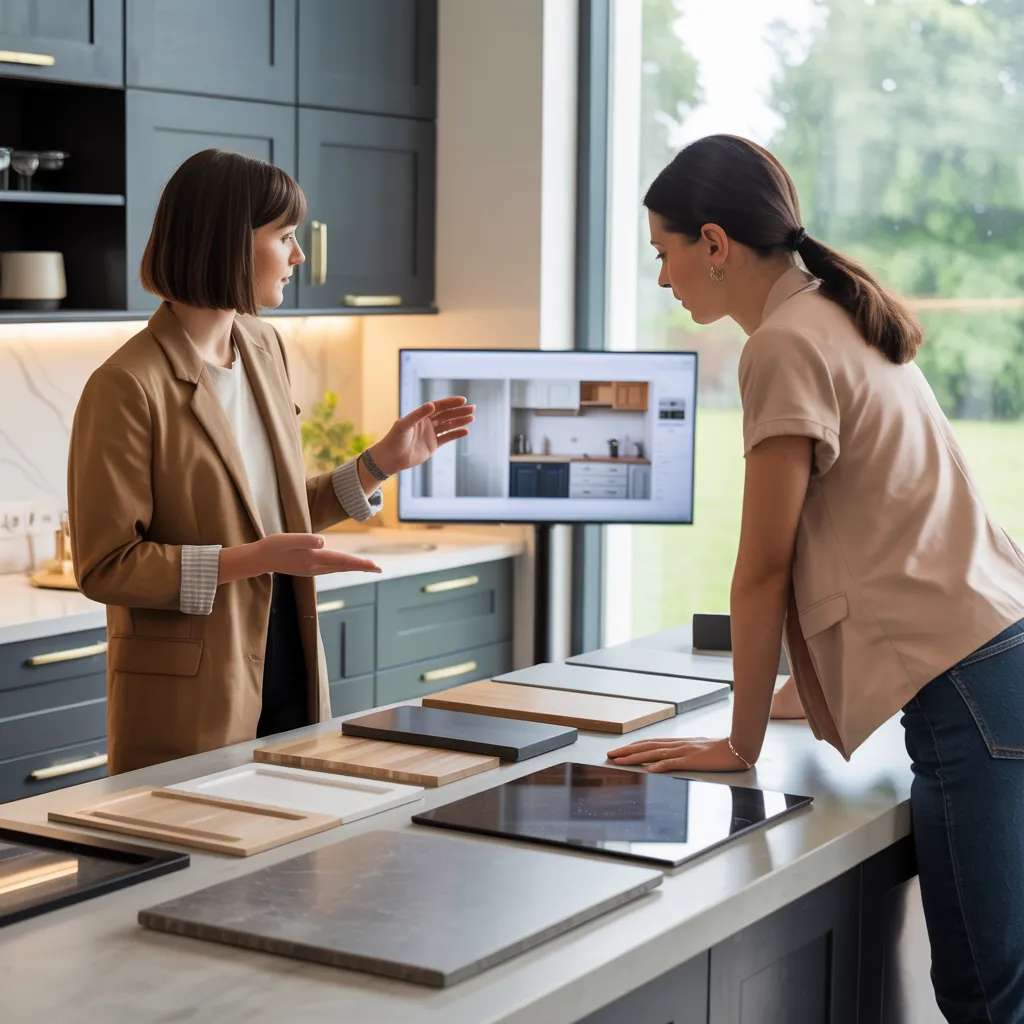
Why Home Remodeling Is Important: Increasing Home Value and Comfort
Renovating a bathroom or kitchen can greatly improve both the aesthetic appeal and functionality of a home. These spaces are often the hub of household activity, where families gather and guests are entertained. By replacing fixtures, cabinetry, and finishes, homeowners can create an inviting atmosphere that showcases their personal style while increasing usability.
Additionally, renovating these areas can substantially increase property value. Real estate specialists observe that quality renovations in kitchens and bathrooms often yield high returns on investment, making them enticing to potential buyers. Enhanced energy efficiency, attained through new appliances or improved insulation, can also lead to cost savings over time.
In the end, remodeling not only changes the aesthetic of a home but also improves the overall living experience, offering comfort and convenience that match contemporary lifestyles. Funding these renovations is often a strategic decision that pays dividends in both fulfillment and financial value.
How to Determine Your Remodeling Objectives?
Establishing remodeling goals commences with defining priorities that align with personal needs and lifestyle. Setting a realistic budget is necessary to guarantee that these goals can be effectively met without financial strain. Together, these steps create the basis for a prosperous and satisfying remodeling project.
Define Your Goals
Setting distinct priorities is important for anyone commencing on a bathroom or kitchen remodel. Homeowners should initiate by assessing their specific needs and desires, which may include improving functionality, enhancing aesthetics, or raising property value. Determining which elements are most important allows for a focused approach to the project. For instance, some may prioritize innovative storage solutions, while others might look for luxury fixtures or energy-efficient appliances. Furthermore, considering the household's lifestyle is crucial; families may need resilient materials, while individuals might opt for modern designs. Ultimately, setting these priorities helps optimize decision-making and ensures that the remodel corresponds to both personal preferences and practical requirements, producing a successful renovation that meets the homeowner's goals.
Define A Realistic Budget
Establishing a realistic budget is vital for a successful remodeling project, as it serves as the groundwork for all following decisions. Homeowners must first evaluate their financial situation, determining how much they can comfortably allocate without jeopardizing their financial stability. It is important to gather estimates from contractors and suppliers to understand the costs associated with materials, labor, and any unanticipated expenses. Setting a budget also requires ranking essential features versus optional upgrades, allowing homeowners to make informed choices. By clearly defining their remodeling goals and aligning them with their budget, homeowners can guarantee that their projects remain on track and meet their expectations, ultimately transforming their spaces efficiently and effectively.
Creating a Realistic Remodeling Budget
While organizing a bathroom or kitchen remodel, one of the most crucial steps is identifying a realistic budget that aligns with both goals and financial capacity. It is important for homeowners to conduct comprehensive research on the costs linked to materials, labor, and permits. Setting a clear budget supports prioritizing essential upgrades and differentiating between wants and needs.
Homeowners should also consider setting aside a contingency fund, typically around 10-20% of the total budget, to cover unexpected expenses that may arise during the remodeling process. Engaging professionals can provide valuable insights related to realistic costs and timelines, ensuring that the budget remains workable.
Leading Design Directions for Kitchens and Bathrooms
In today's kitchen and bath design, numerous trends have gained prominence among homeowners and designers alike. Eco-friendly materials and fixtures are continually favored for their environmental benefits, while open concept layouts foster both space and practicality. Additionally, vibrant color palettes are making a statement, contributing personality and vibrancy to these vital spaces.
Sustainable Fixtures and Materials
As property owners continue to focus on sustainability, environmentally responsible materials and fixtures are now leading trends in kitchen and bathroom renovation. These advancements not only lower environmental impact but also improve visual attractiveness. Reclaimed timber, bamboo, and recycled glass are preferred selections, delivering durability and individual character. Water-conserving fixtures, including dual-flush toilets and low-flow faucets, are also growing in adoption, helping to conserve resources while maintaining functionality. Moreover, energy-efficient appliances further contribute to sustainability efforts. Using natural stone and eco-friendly finishes can reduce toxic substances, fostering a healthier home atmosphere. By adopting these sustainable solutions, homeowners develop areas that demonstrate their dedication to ecological responsibility while appreciating attractive and practical designs that endure over the years.
Open-Plan Designs
Open-concept floor plans have risen in popularity in both kitchen and bathroom remodeling, reflecting a desire for more spacious and interconnected living environments. These designs focus on a seamless flow between spaces, increasing natural light and creating a welcoming atmosphere. In kitchens, the elimination of walls can promote interaction between family members and guests, making cooking and entertaining more satisfying. In bathrooms, open layouts can feature components like freestanding tubs and walk-in showers, enhancing luxury and comfort. In addition, combining these areas with adjoining living spaces can remove barriers, fostering a cohesive aesthetic. Homeowners are increasingly drawn to this trend for its ability to optimize functionality while maintaining an airy, contemporary feel in their homes.
Strong Color Schemes
Vibrant color palettes have emerged as a remarkable trend in kitchen and bathroom remodeling, helping homeowners to express their personality and style. This design approach embraces bold hues, such as deep blues, rich greens, and fiery reds, converting these spaces into dynamic focal points. Accent walls, colorful cabinetry, and eye-catching backsplashes are common methods for integrating these vivid tones. Homeowners often pair contrasting shades to create visual interest, enriching the overall aesthetic. In addition, vivid colors can be balanced with neutral elements, making certain the spaces remain inviting and functional. As this trend continues to advance, many are finding inventive ways to integrate color through fixtures, tiles, and decor, ultimately redefining traditional views on kitchen and bathroom design.
Clever Storage Options: Efficiently Managing Space
While countless home residents face limited space in their kitchen and bathroom areas, ingenious smart storage solutions can convert these areas into very efficient environments. Leveraging vertical space is crucial; tall cabinets and shelves can hold items off countertops while keeping them easily accessible. Versatile furniture, such as benches with built-in storage or storage ottomans, supplies extra utility without consuming extra space.
Integrating pull-out shelves and drawer dividers in cabinets boosts organization and facilitates better use of deep spaces. Magnetic strips can keep utensils or tools on walls, freeing up drawer space, while tiered shelving units enhance countertop efficiency.
In addition, utilizing under-sink spaces with stackable bins or pull-out baskets aids in keep cleaning supplies well-organized. By implementing these practical storage solutions, homeowners can develop a more effective and aesthetically pleasing space, making daily tasks more straightforward and more satisfying.
What Fixtures Should Be Upgraded First?
Updating fixtures in a bath or kitchen can greatly enhance both functionality and aesthetics. When launching a remodeling renovation, establishing which fixtures to replace first is essential. In the restroom, the tap and shower fixture often work as focal points; modernizing these can significantly enhance the space's aesthetic and atmosphere. In addition, replacing lighting fixtures can transform the ambiance, making it more inviting and brighter.
For the kitchen space, beginning with the sink and faucet is advisable, as they are vital to daily tasks. A elegant sink can become a centerpiece, while a high-quality faucet can enhance both convenience and design. After tackling these important elements, homeowners may consider refreshing cabinet hardware and lighting, as these features can enhance the overall appeal without necessitating extensive renovations. By strategically selecting which fixtures to update first, one can efficiently create a more functional and visually appealing space in both spaces.
Going Green: Picking Environmentally Friendly Materials
In the search for eco-friendly kitchen and bathroom remodels, selecting sustainable materials is critical. Choices like bamboo, reclaimed wood, and recycled glass not only lessen environmental impact but also improve aesthetic appeal. Additionally, implementing energy-efficient fixtures and green design elements can further contribute to a greener home.
Eco-Friendly Material Alternatives
Choosing eco-friendly materials for bathroom and kitchen remodeling can significantly impact both the environment and the home's aesthetics. Eco-conscious choices include reclaimed wood, which delivers unique character while reducing deforestation, and bamboo, renowned for its rapid growth and renewability. Recycled glass tiles not only improve visual appeal but also minimize waste. For countertops, materials like recycled concrete and natural stone are resilient and environmentally friendly. Additionally, low-VOC (volatile organic compounds) paints and finishes enhance indoor air quality. Utilizing these sustainable materials not only promotes a healthier planet but also creates attractive, modern spaces. Homeowners can attain a balance between functionality and eco-consciousness, ensuring their remodeling projects reflect both personal taste and environmental responsibility.
High-Efficiency Fixtures
An array of energy-efficient fixtures can dramatically elevate both the functionality and sustainability of bathroom and kitchen spaces. These fixtures, including water-saving taps, energy-saving lighting, and high-efficiency appliances, decrease water and energy consumption without reducing performance. For instance, low-flow showerheads can preserve gallons of water per month, while LED lighting offers bright illumination with minimal energy use. Additionally, Energy Star-rated appliances are constructed to operate efficiently, further decreasing utility bills. By opting for these fixtures, homeowners aid in environmental conservation and potentially raise their property value. Overall, integrating energy-efficient options is a wise solution to modernizing spaces while promoting eco-friendly living, making them a intelligent option for any remodeling project.
Reclaimed Design Aspects
Though countless homeowners aim to refresh their homes, incorporating recycled design elements can greatly enhance both aesthetics and sustainability. Recycled materials, such as reclaimed wood, recycled glass, and repurposed metals, not only minimize environmental impact but also add remarkable character to kitchens and bathrooms. For instance, salvaged barn wood can create beautiful cabinetry, while recycled tiles can serve as captivating backsplashes. Environmentally conscious selections extend beyond materials; using low-VOC paints and finishes further enhances a healthier indoor environment. These eco-friendly options demonstrate that design and sustainability can work together seamlessly. By carefully integrating recycled elements, homeowners can achieve sophisticated remodels that reflect their commitment to the environment, making their spaces not only attractive but also responsible.
Upgrading Lighting: Elevate Ambiance and Functionality
Lighting serves as a key factor in kitchen and bathroom remodeling, affecting both the visual appeal and functionality of these spaces. In kitchens, tiered lighting solutions—merging ambient, task, and accent lights—create a well-lit environment for cooking and dining. Pendant lights over islands and under-cabinet lighting boost visibility while introducing visual interest.
In bathrooms, the arrangement of fixtures is essential for both aesthetics and practical use. Wall sconces positioned alongside mirrors deliver flattering illumination, while recessed lighting delivers a streamlined, modern touch. Dimmer switches can adjust brightness, enabling a calming atmosphere during relaxation or brilliant light for grooming activities.
Integrating energy-efficient LED options not only decreases electricity costs but also provides longevity. Ultimately, strategic lighting design changes kitchens and bathrooms into welcoming, functional spaces, elevating the overall remodeling experience without reducing practicality.
Personalizing Your Kitchen and Bathroom: Customization Ideas
To establish a truly personal touch in kitchen and bathroom remodeling, homeowners can explore diverse customization options that represent their unique tastes and lifestyles. One proven approach is to pick personalized cabinetry, including custom finishes or unique hardware that matches individual style. Homeowners may also explore custom countertops, picking materials like quartz or reclaimed wood that bring character and warmth.
In bathrooms, tailored vanities can transform the space, allowing for innovative storage solutions and unique sink styles. Furthermore, incorporating custom tile designs or colors can turn a standard backsplash into a statement piece.
Light fixtures provide an additional chance for personalization; picking unique designs can elevate both utility and beauty. In conclusion, introducing customized details through art pieces or decorative accents can more discover details on deeply individualize these vital spaces, rendering them not only useful but equally a true reflection of the owner's personality.
Long-Term Planning: Making Your Remodel Future-Ready
When homeowners commence remodeling their kitchen and bathroom spaces, it is important to evaluate future-proofing strategies that confirm the spaces remain operational and stylish for years to come. One proven approach involves opting for timeless materials, such as natural stone or high-quality tiles, which resist wear while maintaining aesthetic appeal. Additionally, incorporating universal design principles guarantees accessibility for all age groups, allowing for easy modifications in the future.
Property owners ought to think about adding flexible fixtures, including adjustable-height kitchen countertops and grab bars in bathrooms, to meet changing needs. Eco-friendly appliances and smart technology can increase sustainability and convenience, ensuring long-term savings. In addition, going with neutral color palettes ensures versatility, enabling easy updates with minimal effort. By prioritizing these adaptive elements, homeowners can create kitchens and bathrooms that not only meet current demands but also adapt seamlessly to changing lifestyles, in the end boosting the home's value and longevity.
Common Questions
What Typical Mistakes Should I Avoid When Remodeling?
A frequent error in remodeling projects is underestimating both budgets and schedules. Additionally, failing to consider functionality, overlooking storage needs, and not planning for proper lighting can bring about unsatisfactory results and higher costs.
How Can I Locate Dependable Contractors for My Remodel?
To discover dependable contractors for a remodel, it's important to seek recommendations from family or friends, read online reviews, verify credentials and insurance, and obtain detailed quotes before reaching a final decision. Comprehensive research is essential.
What Permits Do I Need for Remodeling My Kitchen or Bathroom?
When undertaking kitchen or bathroom renovations, one generally requires building permits, electrical permits, plumbing permits, and sometimes demolition permits. Local regulations vary, so consulting with local authorities is essential to ensure compliance with all requirements.
What Is the Duration of a Standard Remodeling Project?
An average remodeling renovation project can take anywhere between several weeks to multiple months, depending on the extent of work, complexity, and the availability of materials and labor. Time frames may fluctuate greatly among different projects.
Is Living in My Home During the Remodel an Option?
Yes, individuals can often live in their homes during a remodel. However, the degree of disturbance differs according to the project's extent, as specific areas might become inaccessible or produce considerable noise, making it necessary to adapt daily habits.